Bison bulls Kraansvlak to Spanish habitats
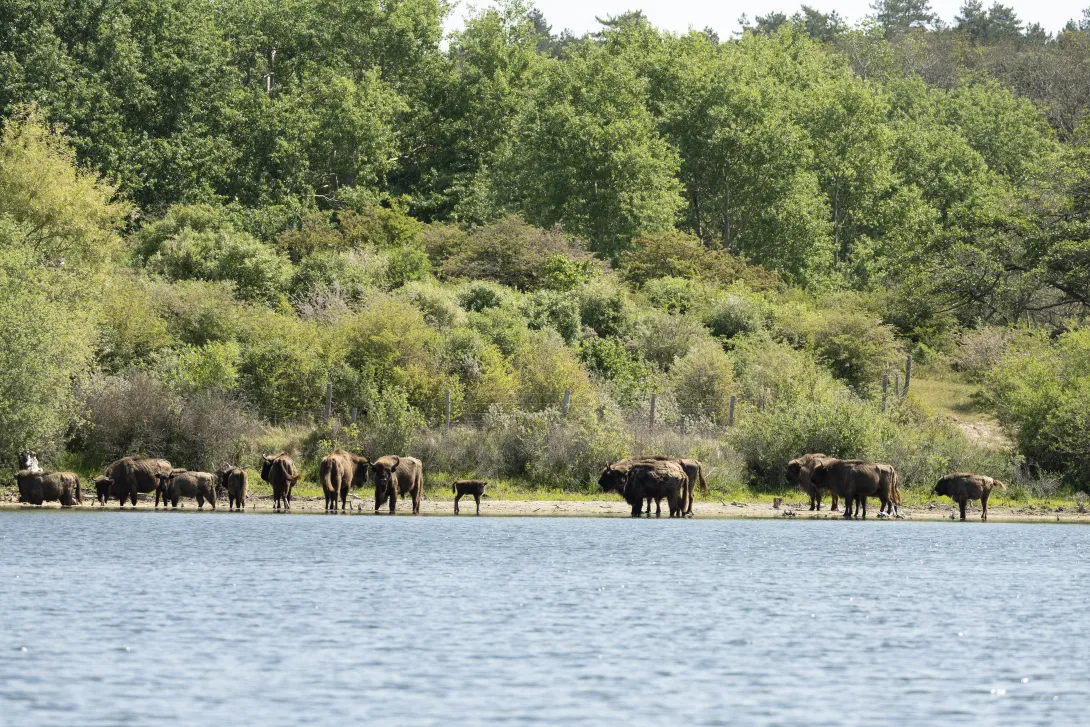
In mid-April, the time had finally come. Three bison bulls from Kraansvlak were loaded to make the long journey to northern Spain. It involved two bulls, now 4 years old, and a younger bull of two years. On their way to a new habitat and new herd mates.
Strict Regulations
This transport has been delayed for a year due to the strict regulations surrounding cattle transport, particularly regarding the prevention of the spread of animal diseases within Europe. Unfortunately, bison, which live in the wild but are enclosed by fences, fall under the same category as farm cattle in European regulations. The regulations stipulate which diseases must be tested for and which precautionary measures must be taken to prevent infection, but also state that if certain diseases are circulating, animals may not be moved at all to prevent spread. Last year, the transport could not proceed due to the rising number of bluetongue infections in Europe. In the meantime, the virus is less active, and the transport was able to take place this spring.
New habitats in Northern Spain
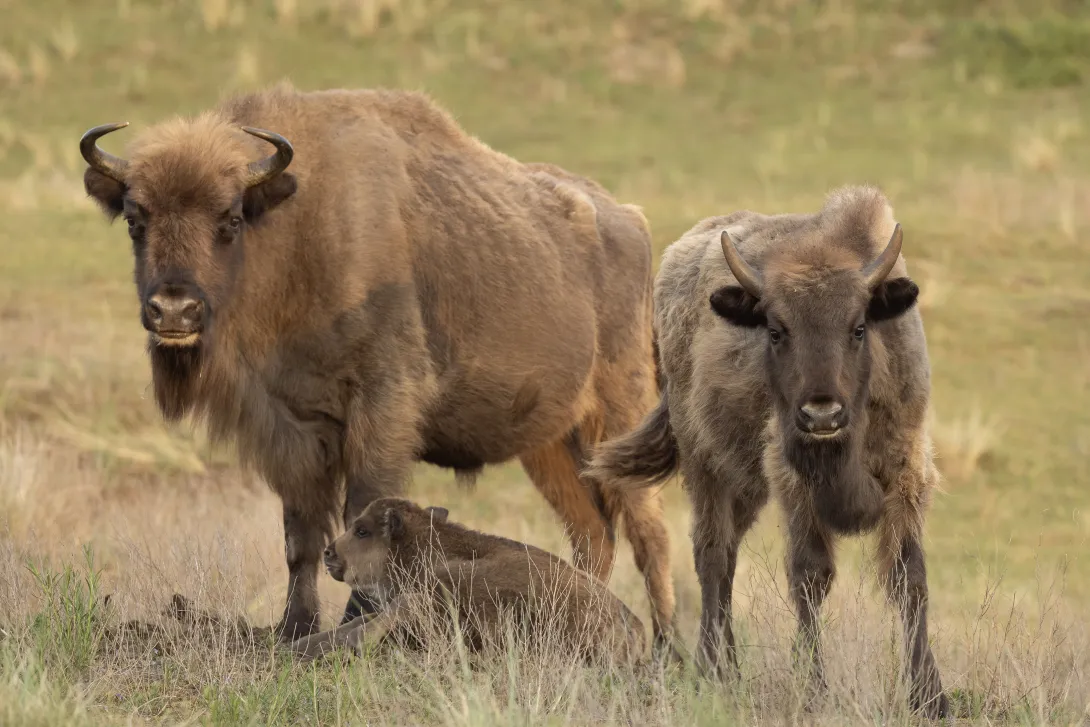
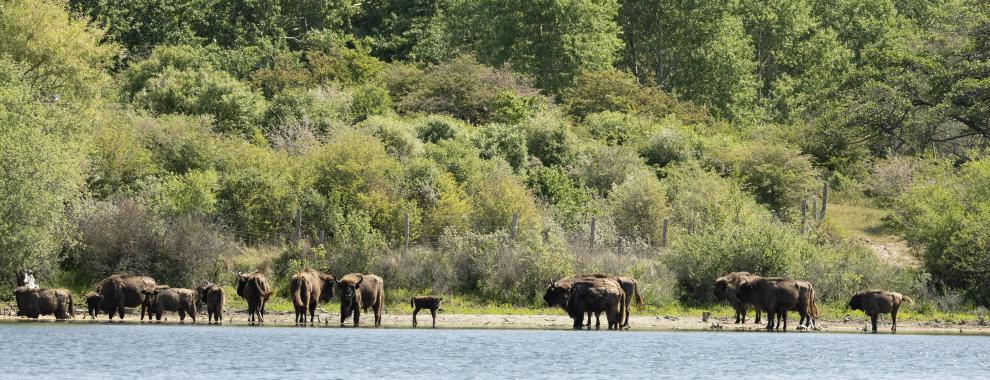
In the past, European bison have frequently been relocated to Spain; currently, 17 from Kraansvlak. There are many large nature reserves there and numerous landowners where large grazers live to keep the vegetation open and thereby increase biodiversity. Keeping the landscape open also helps to keep forest fires under control. The three European bison bulls born in Kraansvlak have been relocated to two habitats in the Castilla y León regions where European bison have lived for years. "The Kraansvlak bulls were immediately accepted into the existing group of bison upon arrival," says Yvonne Kemp, former project leader of the Kraansvlak team and now in
Spain the coordinator of this transport.
Genetic exchange between isolated wisent populations
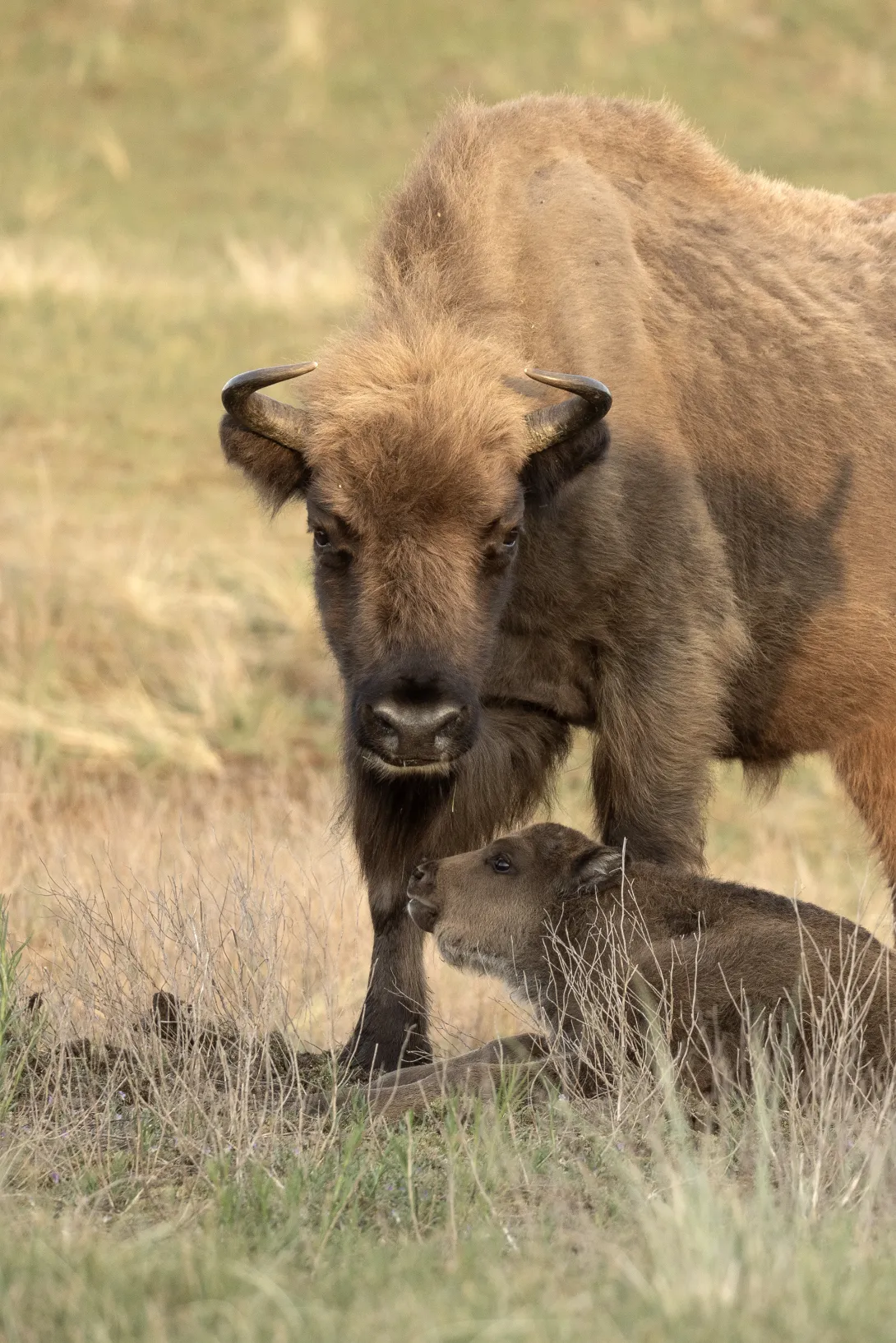
The wisent (also known as the European bison) has successfully returned to Europe in recent decades; the species had completely disappeared from the European landscape 100 years ago. Hunting, poaching, and habitat loss due to human expansion and our activities were the primary reasons for this. Thanks to a small number of individuals still living in breeding centers and zoos, the species could be restored, and animals could gradually be reintroduced into the wild. Currently, there are approximately 11,000 wisents living in Europe, of which about 8,800 are in the wild or semi-wild (in the wild but enclosed by a fence). However, the populations (including those in the wild) are largely isolated from one another, preventing natural genetic exchange.
Continuation of the work of Fernando Morán ‘the bison man’
For more than ten years, Kraansvlak collaborated with Fernando Morán, the man who poured his heart and soul into the work for and with European bison in Spain, as well as on a European level. He was bursting with energy and moved mountains to relocate bison and find new areas to release the mighty animals into. He could read landscapes, spot and seize opportunities, hold impossible conversations, and bring ideas to fruition. A veterinarian and hunter, but above all, a man of the world. He passed away far too soon at the end of last year. This transport is a continuation of the enormous work of the past years by the European Bison Conservation Center (EBCC) of Spain in the person of Fernando Morán – a great supporter of the Kraansvlak project. A wild spirit who took major steps for the return of the bison to Europe and who is a great loss to this world. For those who want to see and hear more about Fernando and the work he did, here is a tribute to him (in Spanish): RIP Fernando Morán, "El Hombre Bisonte", huge Spanish rewilding icon : r/megafaunarewilding